Key Capabilities in Rescue Missions
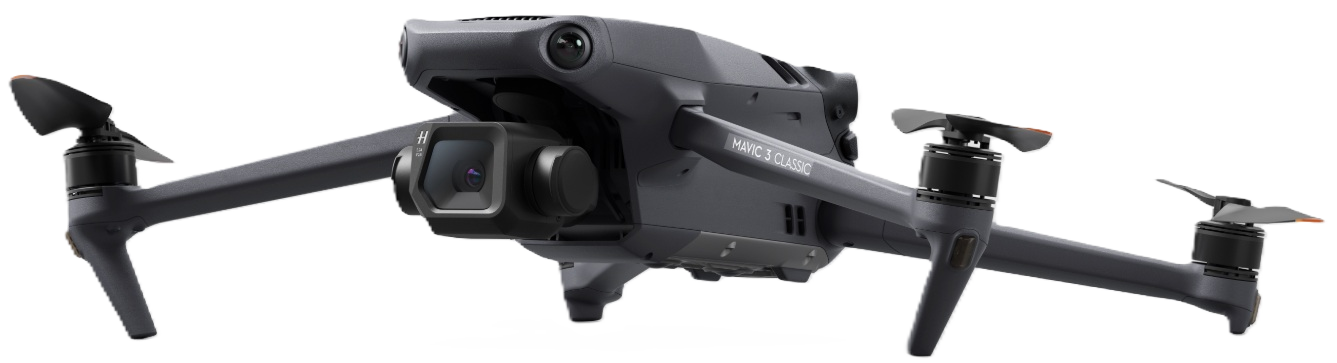
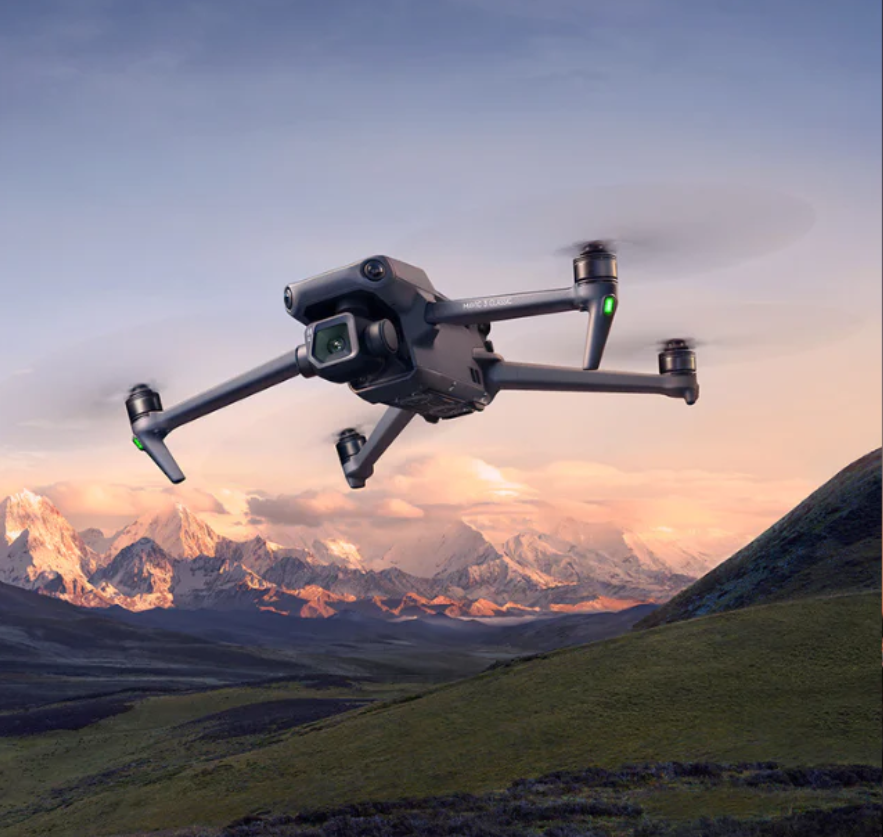
- Rapid Deployment: Modern enterprise drones can be airborne in seconds—some in as little as 15 seconds after setup—significantly cutting down response times compared to helicopters.
- Thermal Imaging: Drones equipped with infrared sensors can detect human heat signatures through darkness, smoke, or dense foliage, allowing for 24/7 search operations.
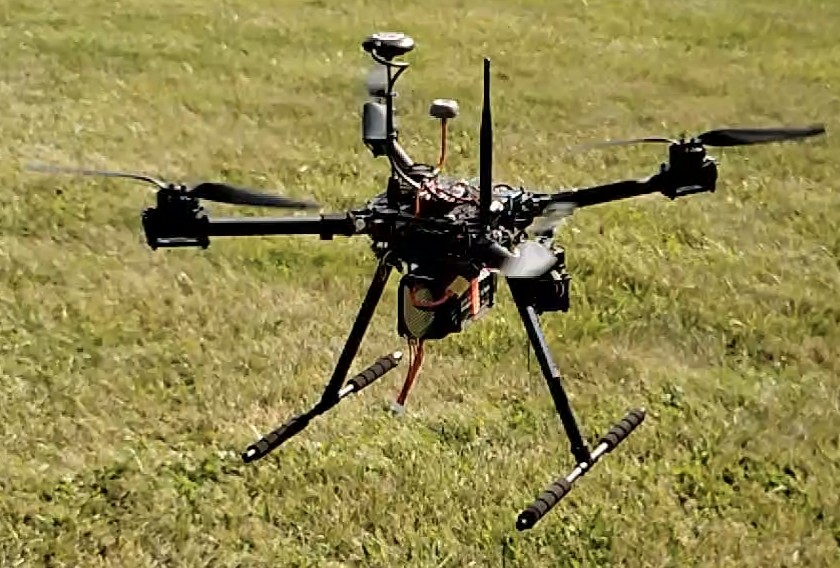
- Supply Delivery: Specialized lift or delivery drone can transport medical kits, food, water, or communication devices to victims in inaccessible areas.
- Communication & Guidance: Payloads such as high-powered loudspeakers and spotlights allow rescuers to provide instructions to victims or guide ground teams directly to a target with GPS precision.
- Hazardous Area Mapping: Drones create real-time 2D and 3D maps of disaster zones (e.g., collapsed buildings or floods) to identify safe routes for human rescuers, reducing risk to personnel.